Alta Badia: The Echoes of Alpine Silence
By Julian Vance • Photography by 111111 Field Bureau
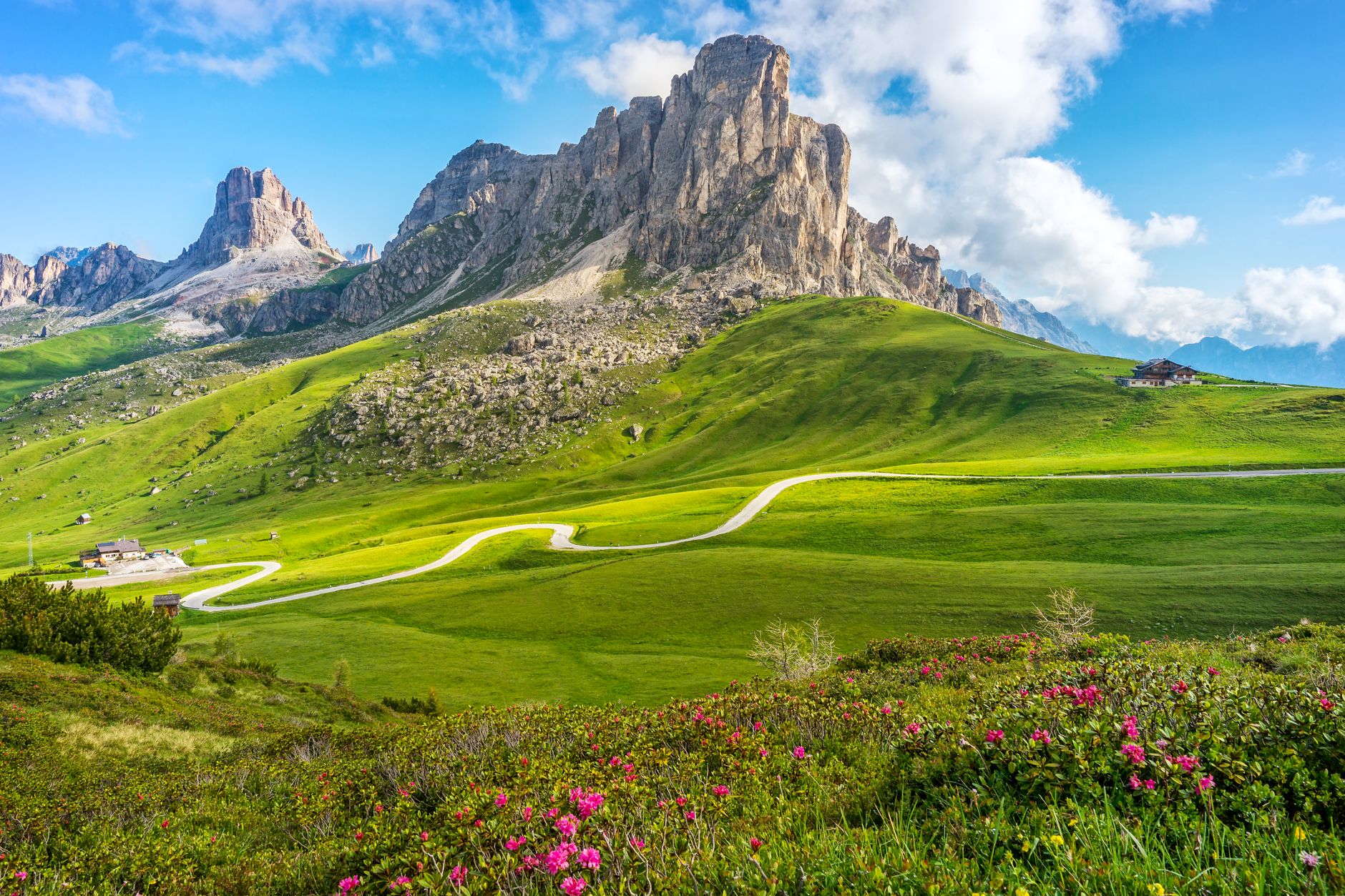
Above the tree line in Alta Badia, sound travels with an uncanny clarity. When the morning breeze pauses between the sheer walls of Mount Sassongher, you can hear the ringing bell of a single dairy heifer three ridges away. This is not the loud, commercialized Alps of crowded ski lifts; this is the quiet heartland of Ladin culture, where dialect and wooden masonry have weathered empires.
The Stone Guardians of the Valley
The Dolomites are geologically unique—fossilized coral reefs lifted three thousand meters into the troposphere. In the late afternoon, the phenomenon known locally as enrosadira takes hold. The pale dolomite rock absorbs the dying sun and glows in terracotta, coral, and burnt violet shades. To sit outside a high-altitude stone hut with a cup of steeped pine-needle infusion and watch this transition is to understand why travelers have returned to these valleys for centuries.
"Here in the highlands, time does not hurry forward; it stacks gently upon itself, like the timber logs seasoning against our stone barns."
Local architecture reflects this pragmatism. Traditional barns, known as viles, are clustered together to preserve precious arable soil. Built from larch and pine without iron fasteners, these dwellings breathe with humidity shifts. They remind us that the finest sustainable architecture was perfected centuries ago through sheer necessity.
Walking the High Passes
For the traveler seeking genuine solitude, we recommend starting from San Cassiano before sunrise, crossing the Valparola Pass just as the first amber flare touches the peaks. By midday, you descend toward the Fanes plateau, a karst expanse protected within a nature park where vehicles have never run.